Recycling and Sustainability for Tree Surgeons Bayswater
 At Tree Surgeons Bayswater, sustainability is woven into every stage of our arboricultural work. From careful site planning to responsible waste handling, our aim is to reduce environmental impact while keeping gardens, streets, and commercial grounds safe and healthy. Modern tree surgery in Bayswater is not just about pruning, removals, and maintenance; it is also about ensuring that green waste, timber, and metal are handled in a way that supports a circular approach to materials.
We set a clear recycling percentage target for the waste generated by our tree services, aiming to divert at least 90% of suitable material away from landfill. That includes woodchip, logs, branches, leaves, and recyclable metal from rigging hardware where applicable. By separating materials at source, we can send each waste stream to the most appropriate facility, helping the local environment and reducing the carbon footprint of our operations.
 Our approach fits well with the broader waste separation culture seen across nearby boroughs and inner-west London areas, where mixed recycling, food waste, garden waste, and residual rubbish are increasingly handled through dedicated collection systems. For a Baywater tree surgeon, that means being mindful of how arboricultural waste is processed after a job is complete. Clean timber may be chipped for landscaping uses, while organic material can be diverted to composting or biomass routes depending on quality and local capacity.
We also make use of local transfer stations to keep materials moving efficiently through the right recycling channels. These facilities are especially useful for sorting bulky branches, green waste, soil, and reusable timber offcuts before they are sent onward for processing. By choosing nearby transfer stations where possible, Tree Surgeons Bayswater can reduce unnecessary vehicle mileage and improve turnaround times, all while supporting a more responsible waste management chain.
 In practical terms, this means our crews are trained to separate waste as work progresses. Logs that are suitable for reuse can be stored for timber recovery, smaller woody material can be chipped on site or at a depot, and green foliage can be directed to composting facilities. Metal parts, such as worn fixings or damaged rigging components, are collected separately for metal recycling. Even packaging from equipment and consumables is considered, with cardboard and plastics sorted where local facilities allow.
Our recycling practice is also shaped by the varied urban landscape around Bayswater. In densely built streets, access can be limited, so efficient sorting matters. A well-organised tree surgery Bayswater operation avoids mixing waste streams in the truck wherever possible, which helps maintain a high recovery rate. This attention to detail supports local sustainability goals and makes it easier to match material with the right end use, whether that is compost, mulch, biomass, or reclaimed timber.
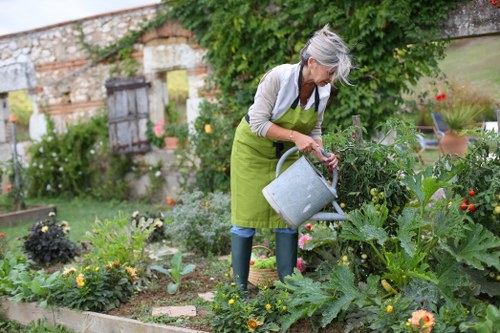
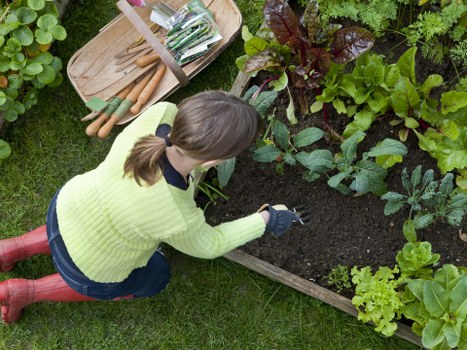
Partnerships with charities are another important part of our sustainability story. Where safe and appropriate, we work to identify opportunities for usable materials to be passed on to community organisations, local gardens, and charitable projects. For example, seasoned logs may be welcomed by groups that need natural fuel for outdoor spaces, while decent timber offcuts can be useful for raised beds, planters, or small repair projects. In some cases, woodchip can support community planting schemes or help suppress weeds in shared green areas.
These partnerships help extend the life of materials that might otherwise be discarded. They also reflect a wider commitment to social value, ensuring that the by-products of tree work can benefit schools, volunteer-led gardens, and environmental initiatives. For residents seeking a Bayswater tree surgeon with a sustainability focus, this kind of reuse is an important sign that environmental care is being taken beyond the immediate job site.
 Another cornerstone of our approach is transport. We operate low-carbon vans as part of a wider plan to reduce emissions from travel between sites, depots, and disposal locations. Efficient route planning, careful load management, and regular vehicle maintenance all help to lower fuel use. Where possible, we combine jobs in the same area to reduce repeat journeys, which is especially valuable in busy central and west London districts where traffic congestion can increase emissions.
Low-emission transport is only one part of the picture, but it makes a real difference across the working day. When a crew arrives with equipment already organised and waste handling planned in advance, fewer trips are needed and there is less idling time on the road. That supports our broader aim of delivering professional tree surgeons Bayswater services with a lighter environmental footprint.
We are also attentive to the small but important details that strengthen recycling performance. Site protection materials are checked for reusability, reusable containers are retained where suitable, and consumables are purchased with durability in mind. In addition, our team stays aware of how local borough approaches to waste separation can influence disposal methods, particularly for garden organics and mixed recyclable items. This helps ensure that what leaves a site is directed to the most suitable recovery route.
 For Tree Surgeons Bayswater, sustainability is not a side note; it is part of the standard expected from modern arboricultural care. By setting a strong recycling percentage target, using local transfer stations, supporting charities, and running low-carbon vans, we help keep materials in use for longer and emissions as low as possible. In a neighbourhood where green space matters, responsible waste handling is one more way to care for the landscape that surrounds us.