Tree removal in Bayswater
If you are dealing with a tree that has become unsafe, overgrown, diseased, or simply in the wrong place, professional tree removal in Bayswater can make the situation much easier to manage. Local properties in Bayswater range from established homes with mature gardens to newer builds, townhouse blocks, commercial sites, and mixed-use spaces, and each one can create different access, safety, and cleanup challenges. A tree that once added shade and character may eventually start interfering with driveways, fences, roofs, services, or neighbouring land. In those situations, having a local team handle the work can save time, reduce stress, and help keep your property safer.
Bayswater customers often need tree removal for practical reasons rather than cosmetic ones. Branches may be too close to power lines, roots may be lifting paving, trunks may be leaning after storms, or a tree may be declining and dropping limbs without warning. In other cases, the issue is simply space: a tree may be blocking sunlight, crowding a yard, or making it difficult to maintain a garden or access a commercial area. Whatever the reason, a well-planned removal service should be tailored to the site, the tree, and the people who use the property every day.
Choosing a local service matters because Bayswater properties often come with specific access conditions, boundary sensitivities, and neighbour considerations. Residential streets can be tight for larger equipment, and some sites require careful planning for parking, debris handling, and pedestrian safety. A skilled team understands how to approach the work cleanly and efficiently while protecting surrounding structures and leaving the property ready for the next step, whether that is stump grinding, replanting, landscaping, or simply enjoying a safer yard.
Why tree removal may be needed in Bayswater

There are many reasons homeowners, landlords, business owners, and property managers arrange tree removal in Bayswater. Some are urgent, while others are preventative. In both cases, acting early can help reduce damage and avoid unnecessary risk. A tree does not need to be visibly falling apart before it becomes a concern; often, the earliest signs are enough to justify a professional assessment.
Common reasons include structural weakness, storm damage, disease, root intrusion, and conflict with buildings or infrastructure. In older Bayswater gardens, mature trees may have been left to grow for years with limited pruning, which can create unstable canopies or heavy limbs overhanging rooftops and fences. In commercial areas, trees can become obstacles to deliveries, car parking, customer access, or site visibility. Tree removal in Bayswater is often the practical answer when trimming alone will not solve the underlying issue.
It is also worth considering the effect a tree may have on surrounding plants and surfaces. Dense roots can compete with lawn and garden beds, while heavy shade may prevent grass from thriving. In some cases, a tree is close enough to a structure that ongoing maintenance becomes inconvenient or too risky. When that happens, removing the tree can restore usability to the property and reduce long-term upkeep.
For many customers, the decision comes down to safety. A tree that has started to split, lean, or shed large branches should never be ignored. If a storm is forecast, or if the tree is already compromised, prompt removal can help prevent emergency damage. Even when the tree looks stable from the ground, a qualified team can inspect the trunk, canopy, root zone, and surrounding area to determine the safest approach.
Local knowledge is especially useful in Bayswater because no two sites are exactly alike. A small front-yard tree in a residential street may require a different method to a large specimen in a rear yard with limited access or a tree alongside a commercial boundary. The right removal plan takes into account the size of the tree, the condition of the site, the nearby structures, and how the work will affect neighbours and daily routines.
Signs a tree should be removed

Not every tree problem means removal is the only option, but there are certain signs that should prompt a careful assessment. If you notice several of these at once, it is a strong indication that the tree may no longer be suitable for the site.
- Large dead branches or a declining canopy
- Cracks, splits, or cavities in the trunk
- Sudden leaning or a change in the tree’s position
- Fungal growth around the base or on major limbs
- Roots lifting paving, driveways, or retaining walls
- Branches touching roofs, gutters, or overhead services
- Repeated storm breakage or limb drop
- Evidence of pest infestation or severe disease
- Limited room for safe growth in a confined yard
In Bayswater, mature trees are a common feature of many residential streets, and while they can add value and shade, they can also become a source of concern as they age. Trees that have outgrown their location may start creating structural issues or become difficult to maintain safely. In cases where regular pruning is no longer enough, removal may be the most sensible option.
Do not wait until a tree becomes an emergency. If a tree is visibly declining or causing repeated problems, it is usually better to arrange an inspection sooner rather than later. Taking action early can give you more options and reduce the chance of costly damage to nearby structures, vehicles, or landscaping.
For commercial properties, the warning signs can also involve operations. Poor visibility, damaged concrete, blocked access, or falling debris can all affect how a site functions. If a tree is interfering with business activities or creating a safety concern for staff and customers, professional removal may be the most effective way to restore normal use of the space.
Some trees appear healthy at the top while hiding problems below ground. That is why a local arborist or tree removal team will often look beyond the obvious. Soil disturbance, root decay, previous pruning cuts, and nearby construction changes can all affect the health and stability of a tree.
How the tree removal process works

When you book tree removal in Bayswater, the process should be straightforward, well organised, and designed around the specifics of your property. A reliable service does not begin with cutting; it begins with planning. The aim is to remove the tree safely, control the debris, and leave the site tidy and usable.
The usual process starts with an assessment of the tree and the location. This includes looking at the tree’s height, spread, condition, surrounding buildings, fences, garden features, access points, and any nearby services. On tighter sites, the team may need to plan how branches and trunk sections will be lowered in stages rather than felled in one piece. This is especially important in built-up parts of Bayswater where space is limited.
Once the plan is in place, the team prepares the area, sets up safety controls, and carries out the removal using the most suitable method. Depending on the tree, that may involve climbing, rigging, sectional dismantling, or machinery-assisted removal. The work is completed with a focus on protecting the property and nearby areas.
Typical steps include
- Initial site review and discussion of the problem tree
- Planning for access, safety, and debris handling
- Setting up work zones and protective measures
- Removing the tree in sections if required
- Chipping or clearing branches and smaller material
- Cutting the trunk into manageable sections
- Optional stump grinding or stump removal
- Final cleanup of the work area
A professional approach is particularly valuable where access is restricted. Bayswater properties may have narrow side passages, small rear yards, shared boundaries, or limited on-street parking. These practical realities can influence how the job is carried out and what equipment is appropriate. A local team familiar with the area can plan around those constraints rather than treating every site the same.
After the removal is complete, many customers also arrange follow-up work such as stump grinding or garden restoration. Removing the tree itself is often only one part of the solution. If you want to make full use of the area again, it helps to discuss what should happen next before the job begins.
What is included in a professional tree removal service
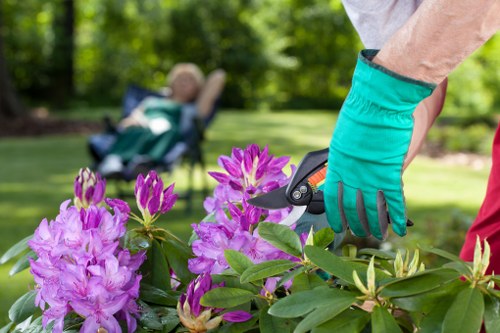
A proper tree removal service should provide more than just cutting down the tree. Customers in Bayswater often need a complete solution that includes safe work practices, clean removal, and sensible handling of the site afterwards. This is especially important when the tree is close to a home, shed, boundary fence, driveway, or business entrance.
Depending on the condition of the tree and the scope of the job, a tree removal service may include:
- Site inspection and job planning
- Safe dismantling of the tree
- Lowering of branches and trunk sections
- Removal of green waste and debris
- Basic site cleanup after the tree is down
- Stump grinding or stump advice if requested
- Work around obstacles such as fences, sheds, and gardens
- Careful management of neighbouring property boundaries
For many local customers, the value is in the convenience as much as the removal itself. A good team handles the heavy lifting, the risk, and the clean-up, so you do not have to organise several separate trades or deal with piles of branches afterwards. This is particularly useful for busy households, property managers, and businesses that need the area available again as soon as possible.
Tree removal in Bayswater should also be matched to the type of tree and the property layout. A large gum tree in a spacious rear yard may be treated differently from a leaning ornamental tree in a tight front garden or a tree planted close to a shopfront. The right service adapts to the site rather than forcing the site to fit the service.
If you need the area restored for landscaping, paving, or future planting, ask about what can be left behind and what should be removed completely. Some customers want a clean slate, while others prefer minimal disturbance. Either way, the end result should suit how you plan to use the space.
Why Bayswater customers benefit from a local team
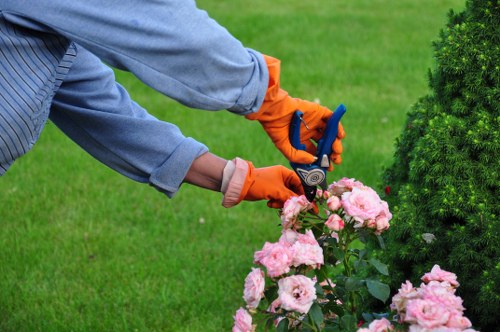
Hiring a local company for tree removal in Bayswater offers real practical advantages. A team that works regularly in the area is more likely to understand the typical property layouts, local access challenges, and the kind of trees commonly found in established suburban settings. That local familiarity can make the job smoother from the first visit through to the final cleanup.
Bayswater includes a mix of homes, rental properties, small businesses, workshops, and larger sites, and the requirements can vary significantly between them. On one street, a tree may be in a front yard with limited parking and overhead wires nearby. On another, the issue may be a rear-yard tree with no direct vehicle access. A local service can plan for these realities and reduce delays.
There is also value in having a team that knows how to work around neighbours and shared boundaries. In tighter streets and connected properties, careful communication and tidy work practices help keep disruption down. This matters when branches need to be lowered over lawns, debris needs to be moved through narrow side access, or vehicles must be parked with consideration for residents and businesses nearby.
Local knowledge matters when weather is involved too. Storms can bring down branches or expose hidden weaknesses in trees that previously seemed stable. A Bayswater-based service is often better positioned to respond to local conditions, understand site-specific risks, and recommend practical next steps based on the tree’s condition and the property layout.
For commercial customers, a local provider can also be easier to schedule around trading hours, deliveries, and site operations. For homeowners, the benefit is often simpler: less hassle, fewer surprises, and a smoother job overall.
Areas and property types commonly serviced
Tree removal in Bayswater is requested across a wide variety of property types, and the surrounding areas often present similar needs. Depending on the site, work may be carried out for homeowners, landlords, strata properties, commercial sites, industrial properties, builders, and property managers.
Common property types include
- Established family homes with mature gardens
- Townhouses and dual occupancies
- Rental properties needing safe yard clearance
- Retail and commercial premises
- Warehouses, workshops, and industrial yards
- Schools, childcare facilities, and community sites
- Vacant blocks preparing for renovation or construction
Nearby areas often have similar tree-management needs, especially where properties share boundaries or sit on compact blocks. Customers in surrounding suburbs may also need help where trees are affecting fences, gutters, driveways, paved areas, and access routes. A local team can often coordinate work more easily across adjacent suburbs because the access and property conditions are familiar.
In some cases, customers are dealing with one urgent tree. In others, several trees may need attention at once. This can happen when a property has a row of ageing trees, a garden that was planted decades ago and is now overgrown, or a site that has suffered repeated storm damage. Where multiple trees are involved, it is usually sensible to assess them together so the work can be planned efficiently.
Commercial customers may also need tree removal when a tree affects signage, parking areas, drainage, loading bays, or customer safety. In those environments, timing and cleanup matter just as much as the removal itself. Work may need to be staged to avoid unnecessary interruptions.
Whether the job is small or large, the goal is the same: remove the problem tree safely, protect the surrounding area, and leave the site ready for everyday use again.
Safety, permits, and responsible removal
Tree removal is not just a matter of cutting and clearing. It involves safety planning, awareness of nearby hazards, and in some cases checking whether permissions or local rules apply. Bayswater customers should always make sure the work is handled responsibly, especially where trees are large, close to boundaries, or near structures and services.
Depending on the tree and its location, considerations may include overhead power lines, underground utilities, restricted access, unstable limbs, falling debris, and neighbouring property protection. A professional team will take these into account before work begins. This helps reduce the chance of damage and ensures the removal is carried out in a controlled way.
In some situations, there may also be requirements relating to protected trees, property overlays, or council controls. Because rules can vary depending on the location and the tree itself, it is important to ask questions early and provide as much detail as possible during the initial enquiry. That way, the job can be assessed properly before any work is scheduled.
Good safety practice usually includes
- Checking the site for hazards and access limits
- Identifying nearby utilities and structures
- Using the right equipment for the tree and location
- Controlling the drop zone and work area
- Managing branches and timber carefully during dismantling
- Cleaning up debris so the area is left safe and tidy
Never attempt to remove a large or unstable tree yourself. Even smaller trees can become dangerous if they are under tension, damaged by storms, or close to a building. Professional removal is the safer option when the tree is large, difficult to access, or already showing signs of failure.
Responsible removal is also about considering what happens next. If you plan to replant, pave, extend a garden, or improve drainage, the team can often work with that outcome in mind. That makes the process more useful to you rather than leaving a pile of problems behind.
What affects the cost of tree removal?
Every tree removal job is different, which is why pricing is usually based on the specifics of the site rather than a one-size-fits-all figure. Customers often want to know what influences the cost so they can compare services sensibly and understand what they are paying for.
Common pricing factors include the size and height of the tree, how difficult it is to access, whether climbing or sectional dismantling is needed, how close the tree is to structures or services, and how much debris needs to be removed. The condition of the tree also matters. A dead, storm-damaged, or unstable tree may require extra care and slower work, which affects the scope of the job.
In Bayswater, access can be a major factor. Tight driveways, narrow side paths, limited parking, shared boundaries, and the need to work around neighbouring homes can all influence how the removal is done. If machinery can be used easily, the job may be simpler. If everything must be carried by hand or lowered in sections, the work becomes more involved.
Other possible cost factors
- Emergency or urgent call-outs
- After-hours or restricted-time access
- Stump grinding or stump removal
- Disposal requirements for large volumes of green waste
- Multiple trees or repeated visits
- Site conditions after storms or heavy rain
It is always sensible to request a detailed quote after the tree has been assessed on site or via clear photos and property details. That helps avoid misunderstandings and makes it easier to compare options. A careful quote should explain what is included, what is optional, and any site-specific factors that affect the work.
For many customers, the lowest price is not the best value if it leaves out cleanup, safety planning, or proper site care. When comparing tree removal services in Bayswater, look at the scope of work, the quality of communication, and whether the provider understands local conditions.
How to prepare for a tree removal visit
Preparing your property before a tree removal crew arrives can help the job run smoothly and safely. You do not need to do heavy work yourself, but a little preparation can make a real difference, especially on smaller Bayswater blocks where access is already limited.
Start by making sure the team can reach the site. Move vehicles if needed, unlock side gates, and clear temporary obstacles from paths or driveways. If the tree is in a backyard, think about whether access through the house is required or whether another entry point is available. For commercial sites, it may help to notify staff so that loading, parking, or customer access can be adjusted for the day.
It is also useful to secure pets, move lightweight outdoor furniture, and remove items from the immediate area if they could be damaged by falling debris or dust. If you have irrigation lines, garden ornaments, or sensitive plants nearby, mention them during the quote stage so they can be considered in the work plan.
Preparation checklist
- Clear vehicle access where possible
- Unlock gates and provide site entry details
- Move cars, bins, and portable items away from the work zone
- Keep pets and children away during the job
- Highlight any fragile landscaping, structures, or services
- Let neighbours know if access or noise may affect them
- Arrange stump grinding or follow-up work if needed
If the tree is already damaged or unstable, keep clear of the area until a professional has assessed it. Branches can fail without warning, especially after wind or rain. In those situations, safety comes before convenience.
Once the work is complete, you may want to discuss the next stage. Some customers want the stump removed so they can replant or repurpose the area. Others want the site left ready for landscaping or paving. Planning that in advance helps ensure the finished result suits your property goals.
Frequently asked questions
Do I need tree removal or just pruning?
If the tree is healthy and the issue is mainly shape, clearance, or light access, pruning may be enough. If the tree is unsafe, severely damaged, diseased, or badly positioned, removal may be the better option. An inspection can help determine the right approach.
Can you remove trees near fences or buildings?
Yes, many tree removals are carried out in tight spaces near fences, sheds, homes, and other structures. The method used will depend on the site and the tree’s condition. Sectional dismantling is often the safest option in confined areas.
What happens to the branches and timber?
That depends on the service scope. Most customers want the green waste removed as part of the job, while some keep timber for firewood or other uses. It is best to discuss this before the work begins so the crew knows how to handle the material.
Can stump grinding be included?
In many cases, yes. Stump grinding is a common follow-up to tree removal and can help prevent regrowth, improve access, and make the area easier to landscape. If you want the stump dealt with at the same time, mention it during the quote stage.
How long does tree removal take?
The time required depends on the size of the tree, the complexity of the site, and the amount of cleanup involved. A small tree in an open area may be completed relatively quickly, while a large tree in a tight urban setting can take much longer. The best estimate comes after a proper site assessment.
Is emergency tree removal available?
In situations where a tree has fallen, split, or become immediately dangerous, urgent help may be needed. The priority in these cases is to secure the area and reduce the risk of further damage. If the tree is unstable, avoid the area until it has been assessed by a professional.
Do you work with residential and commercial clients?
Yes, tree removal in Bayswater is commonly arranged for both residential and commercial properties. The approach is adjusted to the site, traffic flow, access needs, and the way the property is used.
Choose a service that suits your property
When you are looking for tree removal in Bayswater, the right team should offer more than just equipment. They should understand local access issues, work safely around neighbouring properties, explain the process clearly, and respect the way your property is used. That is especially important in a suburb with a mix of established homes, compact lots, and active commercial spaces.
Customers often feel better once the job is properly planned. Knowing how the tree will be removed, what will happen to the debris, and whether stump work is included makes the entire process easier to manage. It also helps if the provider is open about practical issues such as parking, site access, and timing.
If you have a tree that is becoming a risk, taking action now is usually the smartest move. Waiting can lead to greater damage, more inconvenience, and fewer options. Whether the tree is interfering with your home, your business, or simply your peace of mind, a professional removal service can help you move forward.
Book your service now if the tree is unsafe, intrusive, or no longer suitable for the site. If you are not sure whether removal is the best option, request an assessment and ask for clear advice based on the tree’s condition and your property needs.
From small residential removals to more involved commercial jobs, the right local team can make the process straightforward. Contact us today to request a free quote, discuss your site, and arrange a time that suits your schedule.